There is a unique sense of freedom that comes with the open road. Unlike tightly scheduled flights or rigid train itineraries, a road trip grants you total control over your journey. You can stop whenever a scenic viewpoint catches your eye, take a spontaneous detour down a winding country lane, and change your destination at a moment’s notice.
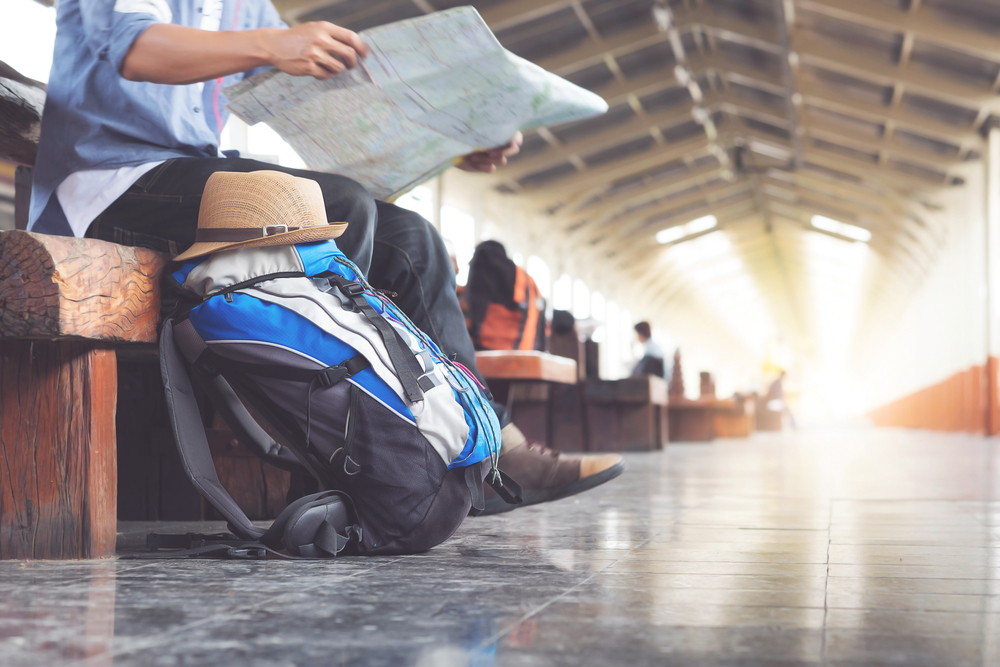
However, the finest road trips are not completely random. The secret to a truly unforgettable driving adventure lies in the delicate balance between spontaneous exploration and smart, structured planning. A well-crafted road trip planner ensures that you avoid logistical headaches—like running out of fuel in the middle of nowhere or arriving at a sold-out campground—while leaving plenty of room for unexpected discoveries.
Mapping Your Route: The Framework of Exploration
The first step in planning your road trip is establishing your route framework. While GPS mapping applications make navigation effortless, a great road trip planner looks at the journey as a whole rather than just the fastest path from point A to point B.
Choose Between a Loop or a Linear Route
Decide whether your journey will be a loop, starting and ending at the same location, or a linear point-to-point trip. Loop trips are often ideal if you are renting a vehicle, as returning a car to its original pickup location eliminates expensive one-way drop-off fees. Linear routes, on the other hand, allow you to cover vast distances and diverse terrains without backtracking.
Look for the Scenic Byways
When plotting your path, actively avoid major multi-lane highways whenever possible. Interstates and motorways are designed for speed, not scenery. Instead, look for designated scenic byways, historical routes, and coastal roads. These smaller highways pass through charming small towns, local farmland, and dramatic natural landscapes that major highways completely bypass.
Timing and Pace: The “Rule of Threes”
One of the quickest ways to ruin a road trip is by overestimating how long you can comfortably sit behind the wheel. Driver fatigue kills spontaneity and breeds irritability among passengers.
To maintain a relaxed and enjoyable pace, many professional travel planners utilize the “Rule of Threes.” This strategy suggests that you should aim to drive for no more than three hours at a time without taking a substantial break. Additionally, try to arrive at your daily destination by 3:00 PM. Arriving in the mid-afternoon gives you plenty of daylight to explore your new surroundings, set up camp, or check into a hotel without feeling rushed or exhausted.
Preparing the Vehicle: The Essential Checklist
Your vehicle is your mobile home and your lifeline on the road. A mechanical breakdown can instantly halt your adventure and drain your travel budget.
Before you set off, perform a comprehensive maintenance check or take your car to a trusted mechanic. Ensure that your engine oil, coolant, brake fluid, and windshield washer fluid are topped up. Inspect the tread depth and air pressure of all four tires, and do not forget to verify that your spare tire is properly inflated and that you have a functioning jack and lug wrench.
Additionally, download offline maps of your route onto your smartphone. Road trips frequently take you through remote mountain passes, deep canyons, or rural plains where cellular service is non-existent. Having offline navigation ensures you never lose your way.
Budgeting for the Open Road
Road trips are generally more cost-effective than flying, but the expenses can add up quietly if you do not track them. Your financial planner should focus on three major categories: fuel, food, and lodging.
Fuel Forecasting
Calculate your estimated fuel costs before you leave. Take the total mileage of your planned route, divide it by your vehicle’s average miles per gallon, and multiply that by the current average fuel price. Always add a 15% buffer to this amount to account for detours, idling in traffic, and getting lost.
Smart Food Strategies
Eating at restaurants three times a day quickly becomes expensive and unhealthy. Pack a high-quality cooler in the back seat and stock it with fresh fruit, vegetables, sandwich ingredients, and plenty of water. Utilizing grocery stores for breakfast and lunch allows you to save your budget for unique, local dining experiences in the evenings.
Conclusion
Mastering the art of exploration through a road trip is one of the most fulfilling ways to see the world. By taking the time to map out a scenic route, pacing your driving days realistically, preparing your vehicle for the journey, and managing your daily expenses, you eliminate the stress of the unknown. A brilliant road trip planner does not cage you into a strict timeline; instead, it provides a solid foundation of safety and organization that allows your adventurous spirit to thrive. Clean your windshield, curate your favorite playlist, and hit the highway—your next great discovery is just around the bend.