The aviation industry has undergone a massive transformation over the last few decades. Traveling by airplane was once considered a luxury reserved only for the wealthy or business executives. Today, millions of people take to the skies every day to visit family, explore new countries, or conduct business, all without breaking the bank. The primary catalyst for this democratization of air travel is the rise of low-fare airlines, often referred to as budget carriers or Low-Cost Carriers (LCCs). By dismantling the traditional airline model, these carriers have made the world smaller and more accessible for everyone.
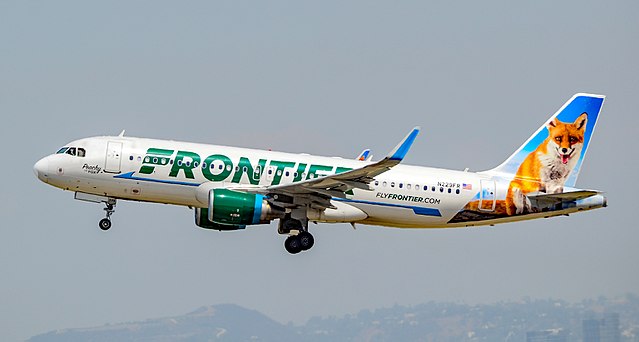
Understanding the Low-Cost Carrier Model
To understand how low-fare airlines can offer such cheap tickets, it is important to understand their core business strategy. Budget airlines do not simply cut corners on safety; instead, they completely re-engineer the operational efficiency of flying.
A Single Type of Aircraft
One of the most significant cost-saving measures implemented by low-fare carriers is maintaining a uniform fleet. Traditional airlines often fly a mix of Boeing, Airbus, and regional jets, which requires diverse maintenance crews, various spare parts, and complex pilot training. In contrast, a budget carrier might fly exclusively Boeing 737s or Airbus A320s. This uniformity drastically lowers maintenance costs, simplifies crew scheduling, and gives the airline massive purchasing power when buying new planes.
Point-to-Point Networks
Unlike full-service carriers that use a hub-and-spoke model—where passengers fly from smaller cities into a massive central hub to catch a connecting flight—budget airlines prefer point-to-point networks. They fly directly from City A to City B. This minimizes the risk of baggage delays, reduces plane turnaround times on the ground, and keeps the aircraft where they make money: in the air.
Utilizing Secondary Airports
Flying into major international airports like London Heathrow or JFK in New York is incredibly expensive due to high landing fees. Low-fare airlines frequently choose secondary airports that are located a bit further from the city center, such as London Stansted or Frankfurt-Hahn. These airports offer much lower fees and less congestion, which translates into fewer flight delays and lower ticket prices for consumers.
The “Unbundled” Pricing Strategy: Pay for What You Need
The most visible difference for passengers booking a flight with a budget airline is the unbundled fare structure, often called the “a la carte” model.
When you purchase a ticket from a low-fare airline, you are paying strictly for your seat and transportation from one airport to another. Everything else is treated as an optional add-on. If you want to check a bag, bring a large carry-on suitcase, choose a specific seat, or enjoy a snack during the flight, you must pay an extra fee.
While critics sometimes label these as hidden fees, this model actually gives passengers complete control over their travel expenses. A backpacker traveling light can fly across a continent for the price of a restaurant meal, while someone requiring more comfort can customize their journey by paying extra for premium options.
The Benefits of Low-Fare Flights
The expansion of low-fare airlines has brought immense benefits to both individual travelers and global economies.
- Increased Accessibility: Budget carriers have allowed students, budget-conscious families, and small business owners to travel frequently.
- Tourism Booms in Under-the-Radar Destinations: By flying into secondary airports, LCCs have put smaller towns and regions on the tourist map, boosting local economies that were previously ignored by major airlines.
- Market Competition: The presence of budget carriers forces full-service airlines to lower their own prices and introduce basic economy fares to stay competitive.
Smart Tips for Flying with Budget Airlines
To ensure a smooth and stress-free experience when using a low-fare carrier, travelers need to adjust their expectations and follow a few basic rules.
First, always read the fine print regarding baggage allowances. Budget airlines strictly enforce weight and size limits, and paying for baggage at the gate is significantly more expensive than paying online in advance.
Second, remember to check in online. Many low-fare carriers charge an extra fee if you require a staff member to check you in manually at the airport counter.
Finally, plan your transportation from the secondary airport to your final destination before you land, as these airports sometimes have fewer public transit options late at night.
Conclusion
Low-fare airlines have permanently shifted the landscape of global aviation. By focusing on operational efficiency, utilizing secondary airports, and pioneering the unbundled pricing model, they have made air travel an affordable reality for the masses. While the experience lacks the luxury of traditional air travel, the trade-off is undeniable: affordable, direct, and frequent access to the world. As long as travelers understand the rules of the game and manage their expectations, budget carriers remain one of the greatest innovations in modern transportation.